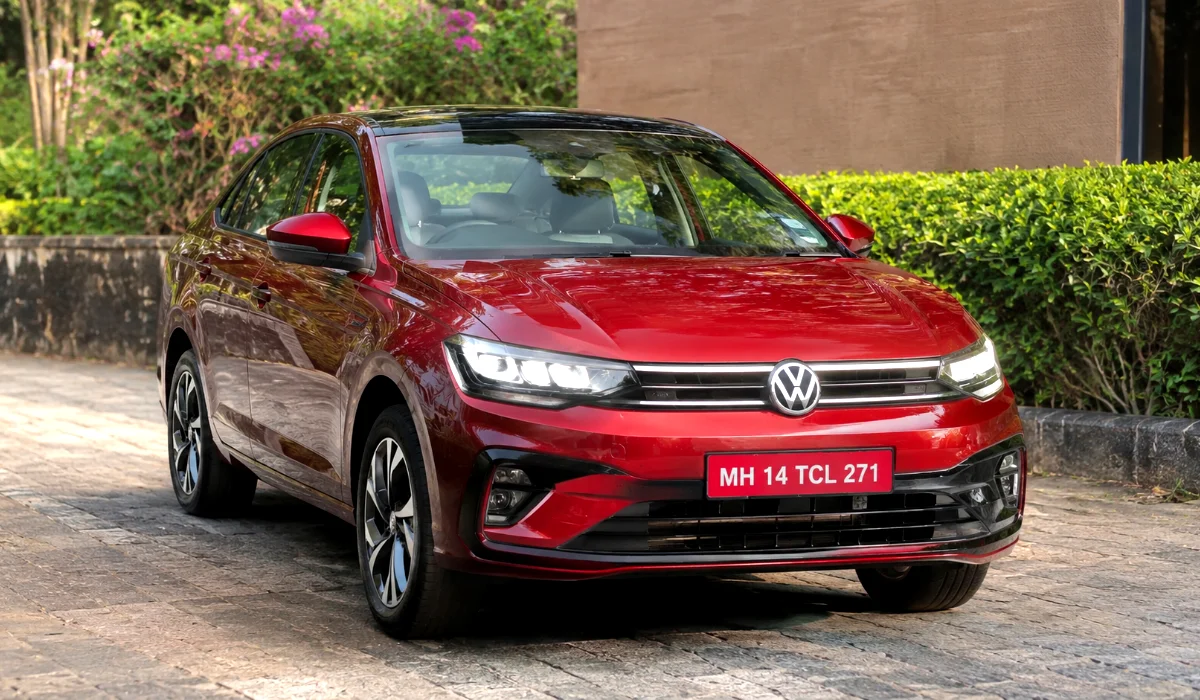
Tata September 2026 Sales: The Tata Nexon finished September just 123 units ahead of the Punch. That is a narrow gap between two very different compact SUVs, and it makes for an easy headline. The more revealing part of Tata Motors’ September sales picture is the split beneath it: the Nexon remained the company’s most dispatched model despite a year-on-year decline, the Punch grew strongly, the Sierra moved up from August, and several other nameplates lost ground.
Tata Motors Passenger Vehicles reported 68,810 passenger-vehicle dispatches in September 2026, compared with 59,667 a year earlier. That is a 15.32 percent increase. The total was also 5.45 percent above August’s 65,253 units. These are manufacturer dispatches, not direct retail registrations, and should be read as a measure of vehicles supplied into the market rather than a precise count of customers collecting cars.
Tata September 2026 sales: Nexon edges Punch
The Nexon recorded 20,456 units in September, down 9.38 percent from 22,573 in September 2025. Yet it rose 10.99 percent from August’s 18,431. The Punch delivered 20,333 units, up 27.95 percent year on year from 15,891, but down 4.63 percent from August’s 21,320. The two models therefore tell different stories: the Nexon recovered month on month but remained below last year, while the Punch’s annual growth was stronger even as its monthly total eased.
That 123-unit gap should not be treated as a measure of buyer preference between the models. Dispatch timing, dealer inventory and variant supply can shift monthly rankings. Nor does the company-level sales table reveal how many vehicles were petrol, diesel, CNG or electric. A buyer comparing the two should look at price, safety equipment, seating, boot space and the powertrain they actually want—not use one month’s dispatch ranking as a recommendation.
| Model | September 2026 units | September 2025 units | Year-on-year change | August 2026 units |
|---|---|---|---|---|
| Nexon | 20,456 | 22,573 | -9.38% | 18,431 |
| Punch | 20,333 | 15,891 | +27.95% | 21,320 |
| Sierra | 7,205 | Not comparable | Newer model | 5,622 |
| Curvv | 2,610 | 1,566 | +66.67% | 1,904 |
| Tiago | 7,043 | 8,323* | -15.37% | 8,536* |
| Harrier | 3,082 | 4,182* | -26.29% | 3,577* |
*Some historical model comparisons are affected by portfolio or reporting changes; confirm the source table’s footnotes before republishing these rows as like-for-like comparisons.
Sierra and Curvv gain, but one month does not make a trend
The Sierra recorded 7,205 units in September, up 28.16 percent from 5,622 in August. Since it is a newer model in the range, there is no directly comparable September 2025 number in the dataset cited by Mint. Its monthly rise is worth noting, but it does not on its own establish long-term demand or order-book strength.
The Curvv reported 2,610 units, up 66.67 percent year on year and 37.08 percent month on month. The Tiago, Harrier and Altroz moved in the other direction in September, with reported declines from a year earlier. The Safari edged up 2.25 percent to 2,045, while the Tigor recorded 686. This is a reminder that a manufacturer can post healthy total growth even while individual models are losing volume.
There are several possible explanations for these shifts: new products, variant availability, price changes, dealership stock, competing launches and seasonal supply planning. The figures alone do not identify which factor caused a particular movement. A careful article should report what happened and avoid claiming a specific model is “failing” or “surging” without more evidence.
Core Elements of Detailed Mechanical Specifications
Sales data does not provide a technical comparison of the vehicles, so it would be misleading to infer engineering changes from these monthly numbers. Readers considering a Nexon, Punch, Sierra or Curvv should compare the exact powertrain and trim they plan to buy:
| Mechanical element | What to verify for the exact Tata variant |
|---|---|
| Powertrain | Petrol, diesel, CNG or electric; availability varies by model |
| Engine / motor output | Use the current model brochure, not a sales table |
| Transmission | Manual, AMT, DCT or single-speed EV drive, where offered |
| Driven wheels | Confirm front-wheel-drive configuration and variant details |
| Battery and charging | For EVs, check usable capacity, charging rate and warranty |
| Brakes and safety | Airbags, ESC, ADAS and test rating are model/variant specific |
| Space and load | Compare usable boot, rear-seat room and ground clearance |
| Ownership | Warranty, service intervals, insurance and local dealer support |
A model’s monthly ranking says nothing about crash performance, reliability or mechanical suitability. Buyers should consult current official specifications and independent safety information for the particular model year and variant.
What the September figures say about Tata as a business
Tata’s 68,810 passenger-vehicle dispatches put it second among manufacturers in the September comparison cited by Mint. The 15.32 percent year-on-year increase was stronger than the 5.45 percent monthly rise, but the whole domestic passenger-vehicle market also grew ahead of the festive season. September 2025 was a disrupted comparison period before the GST 2.0 rollout, so a year-on-year increase should be interpreted alongside the market’s low base and dealer stocking.
For Tata, the Nexon and Punch remain the volume anchors. The Sierra’s monthly movement and Curvv’s growth broaden the picture, while declines in Tiago, Harrier and Altroz show that the range is not moving in one direction. The next few months will help determine whether the Sierra’s September increase is sustained and whether the Punch can keep its annual momentum. Monthly dispatches are snapshots; quarterly retail data would give a fuller view of customer demand.
For buyers, sales strength can affect availability and resale confidence, but it should not be the only deciding factor. Ask the dealer which variant is in stock, whether the vehicle is a recent manufacturing month, and whether a waiting period applies to the colour or powertrain you want. Check the final on-road quote and delivery date in writing.
CarBike Insight Analysis
September’s Tata numbers make a neat Nexon-versus-Punch story, but the 123-unit difference is too small to declare a clear winner in customer preference. The more useful read is that Tata’s total growth came alongside a mixed model-level picture. Nexon volumes improved from August but remained lower year on year; Punch grew strongly year on year but eased from August; Sierra and Curvv gained against their previous month or year-ago base.
This is encouraging for a manufacturer with several models competing across price bands, but it is not proof that every Tata nameplate is gaining momentum. Buyers should use the sales table as context, not as a substitute for comparing the actual cars. A family choosing between Nexon and Punch should test the variants they can afford, check the exact powertrain and safety equipment, and make its decision on usability and ownership support—not on a 123-unit monthly margin.
-
Tata iRA App: CERT-In Flags Four High-Severity Flaws, Update Now
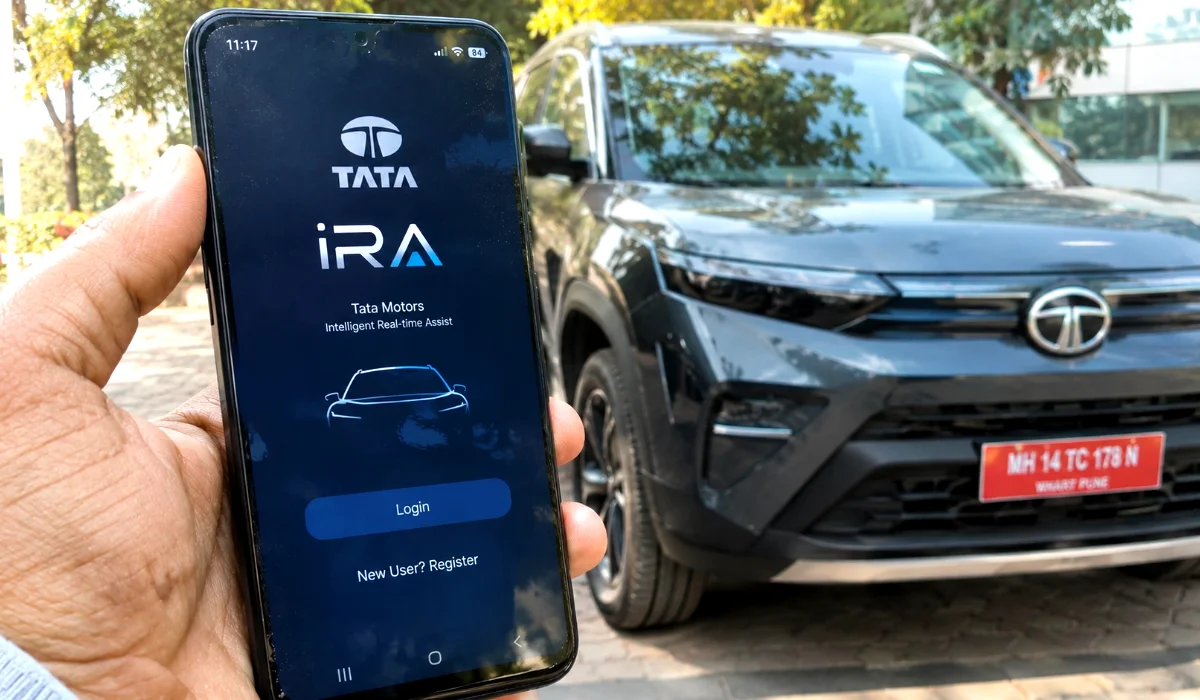
If you drive a Tata and use the Tata iRA app, update it today. India’s national cyber agency, CERT-In, has flagged four security flaws in the iRA 2.0 and iRA.ev connected vehicle apps and rated them “High” severity in vulnerability note CIVN-2026-0537. The warning says an attacker could obtain sensitive credentials or reach vehicle-related information…
-
Mahindra Q2 FY27 Results: Profit Up 25% as SUV Volumes Jump 26%
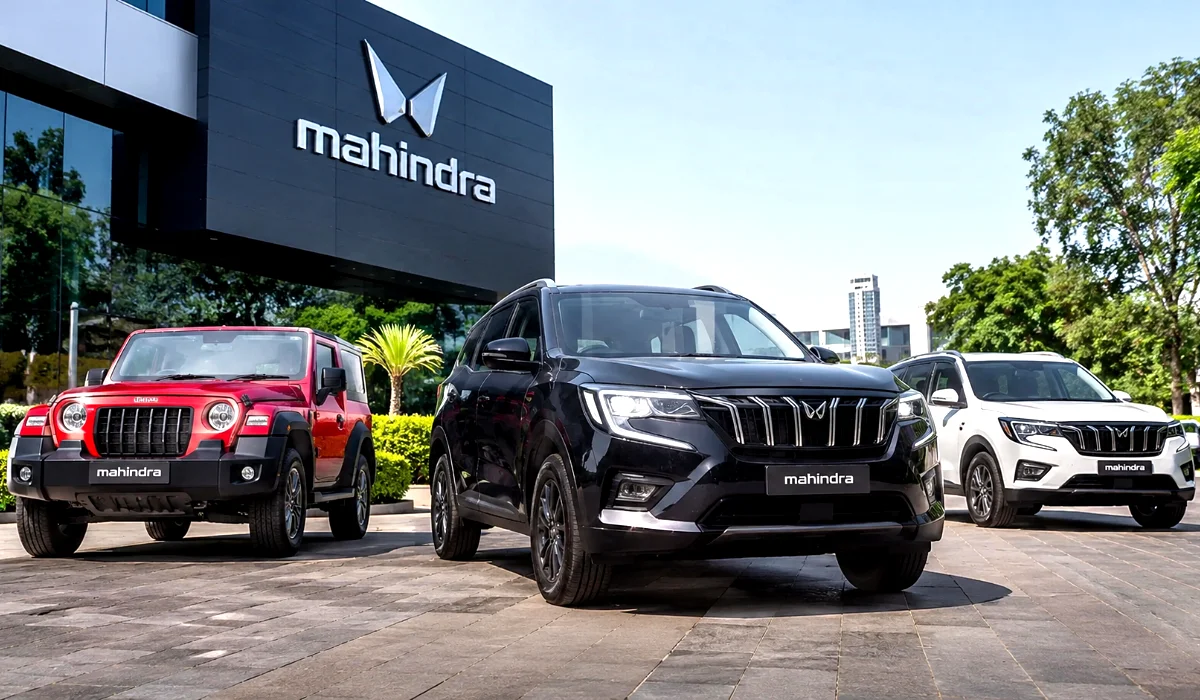
The Mahindra Q2 FY27 results, announced on Thursday, November 5, 2026, show SUVs doing the heavy lifting. Mahindra & Mahindra’s consolidated profit attributable to owners rose 25% year-on-year to ₹4,588 crore for the July-September quarter, up from ₹3,673 crore. Revenue from operations also grew 25%, to ₹57,553 crore from ₹46,106 crore. The automobile business was…