Scooter sales September 2026 India: Honda Motorcycle and Scooter India led the month with 3,83,035 dispatches, up 46 percent year on year. TVS followed with 2,77,115, a 29 percent increase. Together they accounted for roughly two-thirds of the month’s scooter shipments. Suzuki recorded 1,06,274 units, while Hero MotoCorp dispatched 96,254.
That concentration matters because it shows how familiar, high-volume products remain central even as the market adds new electric options. Honda’s scale gives buyers a wide dealer and service footprint in many locations. TVS has a broad petrol and electric range. But volume alone does not decide whether a particular scooter is right for a household: local service quality, waiting time, comfort and the exact variant matter more at the point of purchase.
The record also says little about how many vehicles were sold directly to end customers in September. The reported number is dispatches to dealerships, often called wholesales. Retail registrations can move differently because dealers may be building or reducing inventory. A month of high dispatches is a useful signal, not a one-to-one count of customer purchases.
| Manufacturer / segment | September 2026 dispatches | Reported year-on-year change |
|---|---|---|
| Honda | 3,83,035 | +46% |
| TVS | 2,77,115 | +29% |
| Suzuki | 1,06,274 | +1% |
| Hero MotoCorp | 96,254 | +67% |
| Electric scooters, all brands | 1,86,692 | +68% |
| Total scooter industry | 9,95,576 | +34% |
Electric scooters are now a significant part of the category
Electric scooter dispatches reached 1,86,692 in September, up 68 percent year on year. That was the second-highest month on record for the electric segment, behind August’s 1,88,714. The difference between the two months is small, and the figures suggest that EVs are now an established part of scooter-market growth rather than a niche footnote.
TVS’s iQube and Orbiter together accounted for 62,347 electric scooters in September, more than double the year-ago number reported by Autocar. Ather dispatched 30,121, up 20 percent. Hero’s Vida range registered 28,962, and Bajaj’s Chetak recorded 28,862; both were reported up 88 percent year on year. The order is a reminder that electric sales are spread across several established names, while each brand is trying to balance range, price, charging and after-sales confidence.
The reported electric figure is about 18.8 percent of total September scooter dispatches. That calculation is approximate because the source totals are rounded and segment definitions may differ across datasets. It gives a broad sense of scale, not a precise market-share statement. Also, EV sales growth does not mean every buyer should switch. A rider with home charging, predictable daily routes and a nearby service centre may be well suited to an electric scooter. Someone who parks on the street or rides long distances into areas with limited charging may prefer petrol for now.
Core Elements of Detailed Mechanical Specifications
This is a market article, not a review of one scooter. The technical comparison buyers should make depends on the individual models within the sales totals:
| Mechanical / ownership item | What a scooter buyer should compare |
|---|---|
| Petrol engine | Displacement, power, torque and cooling type |
| Electric motor | Rated and peak output; performance can differ by mode |
| Battery | Usable capacity, chemistry, warranty and replacement cost |
| Claimed range / fuel economy | Test-cycle figure versus likely real-world use |
| Transmission | CVT or direct electric drive; check response in traffic |
| Brakes and tyres | ABS/CBS arrangement, tyre size and replacement availability |
| Charging | Home charging time, removable battery status and compatible public network |
| Service | Nearest authorised workshop and parts availability |
A rising market cannot tell a shopper which specification is best. A larger battery may increase range but also weight and price. A more powerful motor may make overtaking easier, but the real benefit depends on the route. Buyers should compare the full on-road price, warranty and service support rather than picking a scooter from a manufacturer’s monthly total.
Sooter sales September 2026 India: Why the record should be read carefully
September’s 9,95,576 figure is a wholesale number, and the month fell in the run-up to the festive period. Dealer inventory may influence dispatches. The 34 percent year-on-year rise also uses September 2025 as its base, when the market was affected by a pause before tax changes. That does not make the growth artificial; it means we should avoid treating one month as a permanent new run rate.
The April-to-September total reached 48.2 lakh scooters, up 29 percent year on year, according to the same industry report. A six-month view is more useful than one month for identifying a sustained expansion, although even that covers only part of the financial year. Upcoming festive retail data and dealership stock levels will show whether September’s pace translated into customers taking delivery.
For manufacturers, record demand puts pressure on production planning, dealer supply and service capacity. For customers, it may mean more choice, but it can also mean waiting periods for popular versions. Before paying, ask whether the scooter is in stock, what manufacturing month it is, and whether the quoted offer applies to the exact colour and variant. If you are looking at an EV, request a real demonstration of charging and app functions.
CarBike Insight Analysis
The scooter market’s September record reflects strength across both petrol and electric products. Honda and TVS remain the largest contributors, while electric models from TVS, Ather, Hero and Bajaj show that more buyers are considering a battery-powered scooter. The category is broadening rather than switching overnight from one technology to another.
The near-10-lakh headline is compelling, but buyers should not confuse dispatches with final customer demand or assume one month’s momentum will continue at the same pace. The more meaningful takeaway is that scooters are a major growth engine for India’s two-wheeler market, with conventional and electric models both competing for household use. Choose based on your route, charging access, service support and the cost of the exact variant not the segment’s record alone.
-
Tata iRA App: CERT-In Flags Four High-Severity Flaws, Update Now
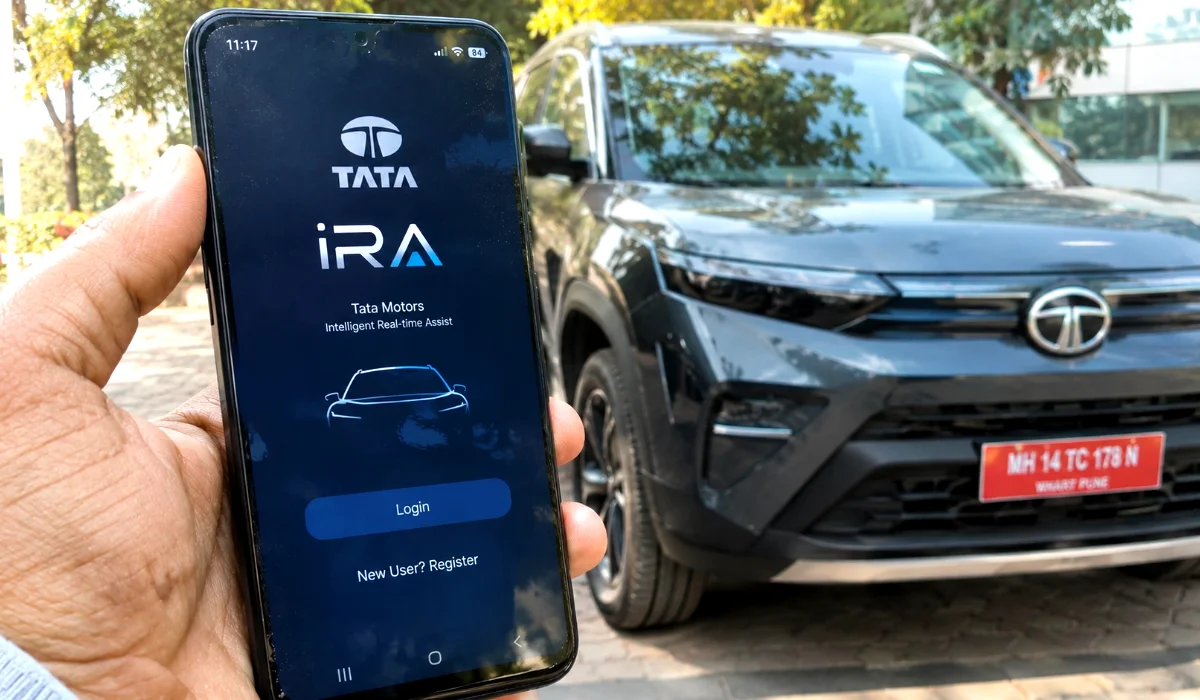
If you drive a Tata and use the Tata iRA app, update it today. India’s national cyber agency, CERT-In, has flagged four security flaws in the iRA 2.0 and iRA.ev connected vehicle apps and rated them “High” severity in vulnerability note CIVN-2026-0537. The warning says an attacker could obtain sensitive credentials or reach vehicle-related information…
-
Mahindra Q2 FY27 Results: Profit Up 25% as SUV Volumes Jump 26%
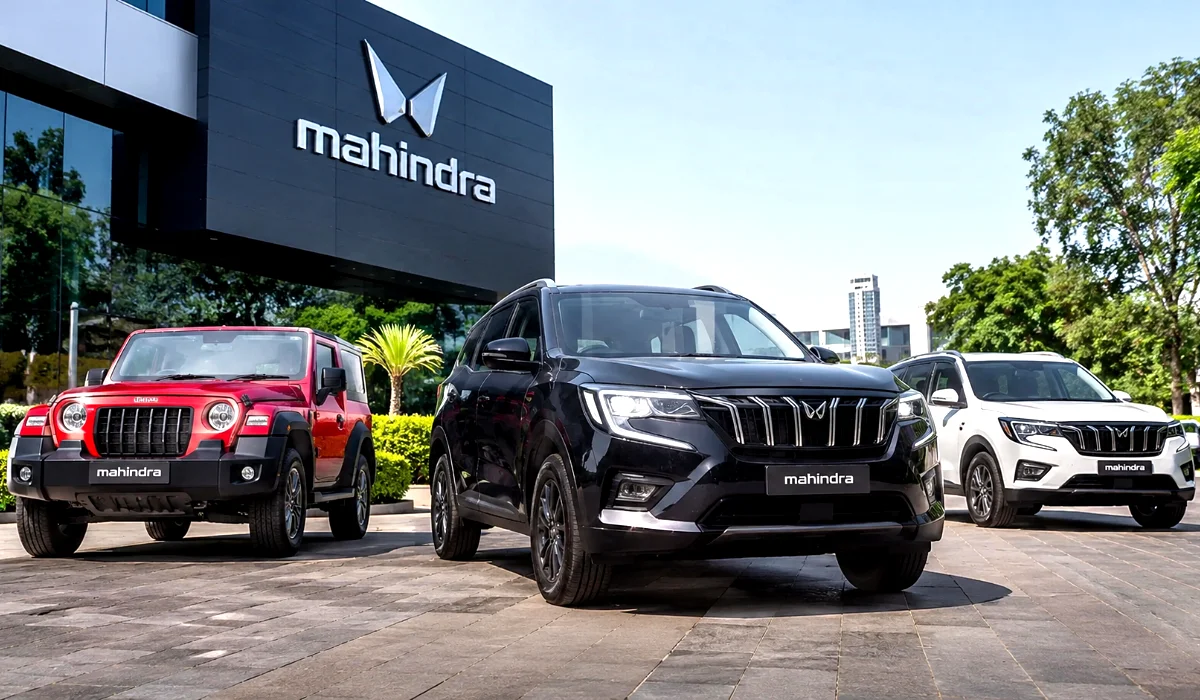
The Mahindra Q2 FY27 results, announced on Thursday, November 5, 2026, show SUVs doing the heavy lifting. Mahindra & Mahindra’s consolidated profit attributable to owners rose 25% year-on-year to ₹4,588 crore for the July-September quarter, up from ₹3,673 crore. Revenue from operations also grew 25%, to ₹57,553 crore from ₹46,106 crore. The automobile business was…