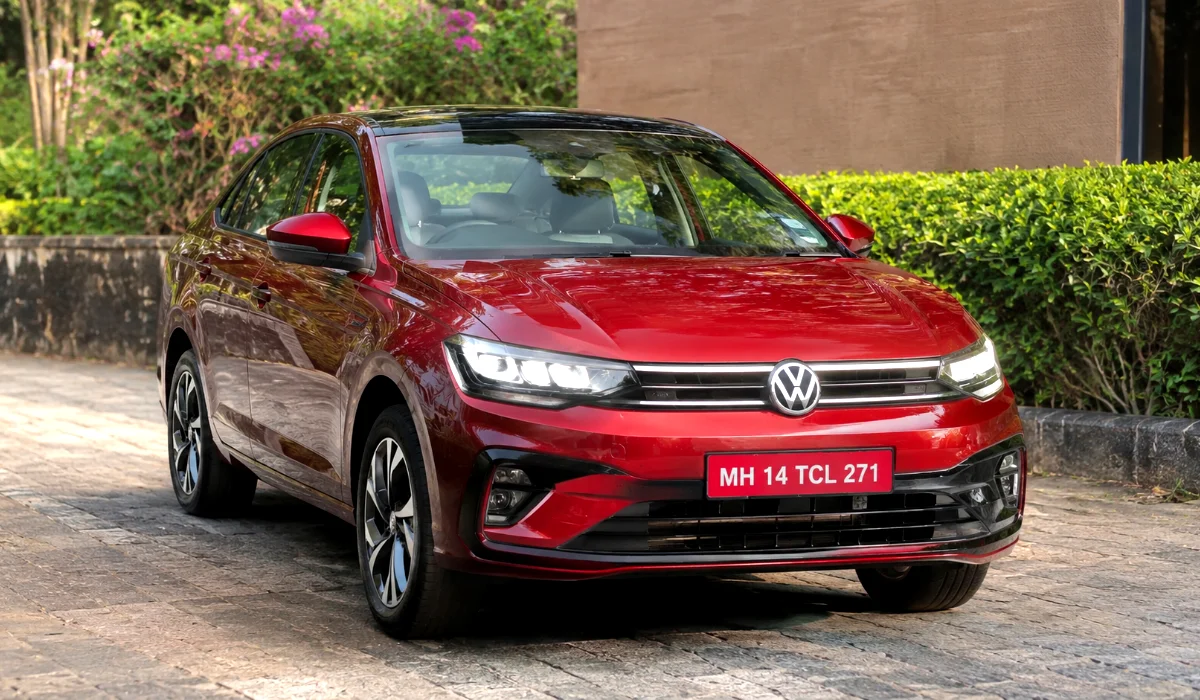
Maruti Suzuki Brezza Crosses 15 Lakh Sales: The Maruti Suzuki Brezza has crossed 15 lakh cumulative sales in India, a milestone that says as much about the compact SUV market as it does about one model. The name has been on sale for nearly a decade, and its latest update has reportedly crossed one lakh bookings. The timing is striking: this is not a gentle mid-cycle refresh. The 2026 Brezza has added a turbo-petrol engine to a range that already includes a naturally aspirated petrol and factory CNG option.
The headline number deserves context. Cumulative sales add up deliveries over many years; it does not tell us how many buyers chose the newest version, how quickly the order book will convert into registrations or whether the Brezza remains the monthly segment leader. Maruti Suzuki says it has been India’s highest-selling compact SUV across a defined period ending May 2026, using JATO Dynamics data. That is a company claim with a stated time window, not a guarantee about every month that follows. India Today
Maruti Suzuki Brezza sales milestone: what 15 lakh tells us
Fifteen lakh cumulative sales is a strong signal of familiarity. A model that has been around for close to ten years has had time to build a broad owner base, attract repeat buyers and become a default shortlist option. In a crowded compact SUV segment, recognition can lower the effort involved in choosing: buyers already know the badge, see the car regularly and may have a nearby service network. Those are practical advantages, though they do not prove every buyer prefers the Brezza’s equipment or driving experience.
The updated model’s booking figure is also notable, but bookings and deliveries are different measures. A reservation shows interest; a retail registration records a vehicle that has reached a customer. The conversion rate can be affected by waiting periods, variant availability, cancellations and production. Maruti had earlier said bookings were approaching one lakh and had increased capacity. The 2026 version’s wider engine choice may be helping, but the company has not supplied a breakdown proving how much of the order book belongs to turbo, standard petrol or CNG buyers.
What changed in the 2026 Brezza
The update keeps the familiar compact SUV silhouette but brings revised front and rear detailing, new trim and feature additions. The bigger mechanical story is the new 1.0-litre direct-injection Boosterjet turbo-petrol engine. Maruti’s published specifications list 110.2 PS and 170 Nm, paired with a six-speed manual. The existing 1.5-litre naturally aspirated petrol continues with manual and automatic choices, while the S-CNG variant uses an underbody cylinder arrangement intended to preserve more usable luggage space than a conventional boot-mounted cylinder.
That range gives the Brezza three distinct pitches. The turbo is for buyers who want stronger mid-range response and a manual gearbox; the regular petrol is the familiar all-rounder; and CNG puts running cost and fuel availability near the top of the decision. A claimed efficiency figure is not the same as what every owner will achieve. Traffic, load, temperature, driving style and fuel quality all affect consumption, while CNG range depends on filling conditions and local station access.
The updated cabin also gains a larger 10.1-inch touchscreen and equipment such as ventilated front seats, ambient lighting and an air purifier on selected trims, according to launch coverage. Equipment varies by variant, so a buyer comparing prices should check the exact feature list rather than assuming every Brezza has the same screen, safety kit or convenience equipment.
The powertrain choice matters more than the milestone
For some buyers, the 1.0 turbo may be the update that gives the Brezza a new reason to be considered. Its 170 Nm peak torque is higher than the naturally aspirated engine’s 139 Nm, and the turbo’s six-speed manual can make highway overtaking less dependent on downshifts. But peak torque alone does not settle the driving comparison. Throttle response, turbo lag, gearing, engine noise and real-world fuel use all matter. A test drive on roads similar to a buyer’s daily route is more useful than choosing by a single output figure.
The 1.5 petrol automatic remains a different proposition. It may suit drivers who spend much of their day in stop-start traffic and value convenience over the turbo’s manual-only character. The CNG version addresses another need: lower fuel expenditure for high-mileage use. Its underbody installation is a packaging advantage, but buyers should still inspect luggage-room usability, spare-wheel arrangement and the location of the refuelling point in person.
For households comparing the Brezza with rivals such as the Tata Nexon, Hyundai Venue, Kia Sonet, Skoda Kylaq and Mahindra XUV 3XO, the right question is not simply “which has more features?” It is which combination of engine, gearbox, ride comfort, safety equipment, rear-seat space and service access fits the way the vehicle will be used. Variant pricing can change the answer quickly. A well-equipped lower trim may be better value than a top trim whose extras a buyer rarely uses.
Core Elements of Detailed Mechanical Specifications
| Specification | 2026 Maruti Suzuki Brezza information |
|---|---|
| 1.0-litre Boosterjet turbo-petrol | 110.2 PS and 170 Nm; six-speed manual |
| 1.5-litre naturally aspirated petrol | 103 PS and 139 Nm; manual or automatic, depending on variant |
| S-CNG | Factory-fitted CNG option; underbody tank layout |
| Turbo engine efficiency | Claimed figures vary by variant; up to 20.47 km/l reported for manual |
| S-CNG efficiency | Claimed 26.90 km/kg reported for the updated range |
| Overall length / seating | Compact SUV, five seats; verify final brochure for variant-specific measurements |
| Safety | Six airbags listed on current official variant pages; equipment varies by trim |
| Price | Current ex-showroom prices depend on powertrain and trim; check Maruti’s live price page |
The mechanical information above combines manufacturer data and published fuel-efficiency coverage. Buyers should confirm the exact variant specification and current price with Maruti Suzuki because equipment and introductory offers may change.
CarBike Insight Analysis
The 15-lakh milestone is proof of longevity, while the turbo-petrol addition is the more important test of the Brezza’s next chapter. Maruti has given buyers a broader mechanical choice without abandoning the petrol and CNG options that already serve different priorities. That is a sensible way to refresh an established nameplate, particularly when buyers are comparing fuel costs and performance more closely.
Still, the milestone should not be mistaken for a verdict on the 2026 update. The new version must turn bookings into deliveries and satisfy buyers on value, safety and everyday usability. The turbo’s output looks competitive on paper, but its manual-only availability may narrow its audience. The automatic and CNG versions fill different needs, and they should be judged on those needs rather than on headline power.
For shoppers, the Brezza’s strongest case is the combination of a familiar ownership proposition with more choice than before. Its biggest risk is that a popular badge can invite assumptions: buyers still need to compare the exact variant, safety equipment, waiting period and real ownership cost against alternatives. The sales milestone opens the conversation; the test drive and the invoice should finish it.
-
Tata iRA App: CERT-In Flags Four High-Severity Flaws, Update Now
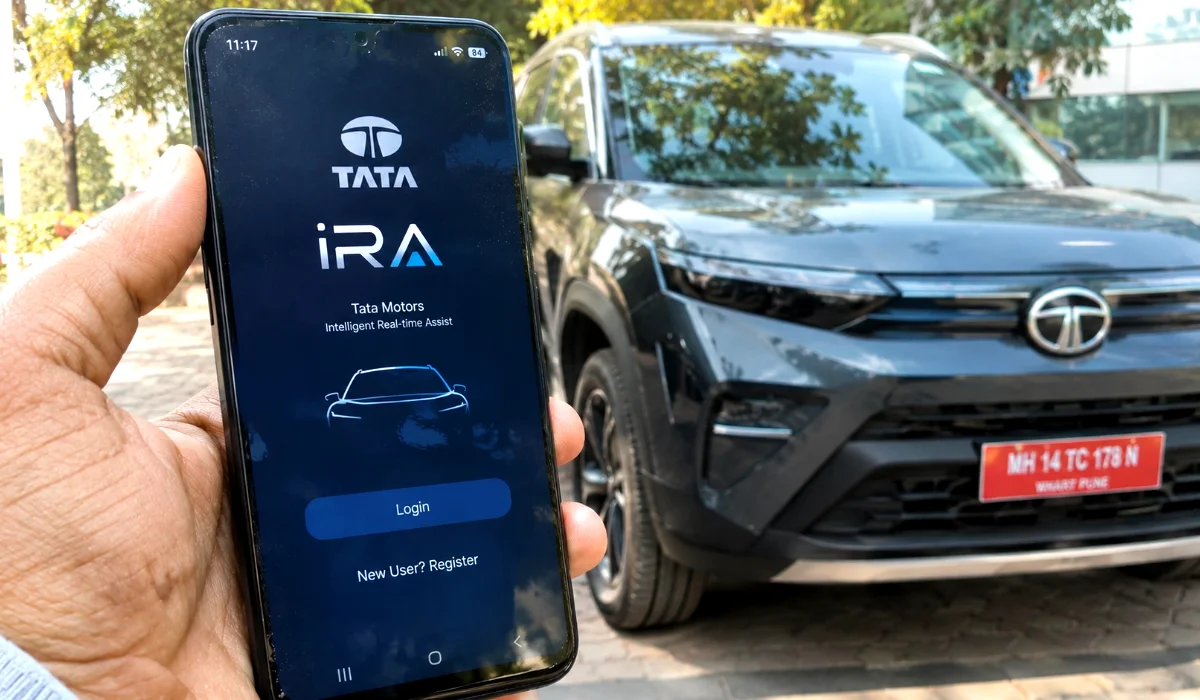
If you drive a Tata and use the Tata iRA app, update it today. India’s national cyber agency, CERT-In, has flagged four security flaws in the iRA 2.0 and iRA.ev connected vehicle apps and rated them “High” severity in vulnerability note CIVN-2026-0537. The warning says an attacker could obtain sensitive credentials or reach vehicle-related information…
-
Mahindra Q2 FY27 Results: Profit Up 25% as SUV Volumes Jump 26%
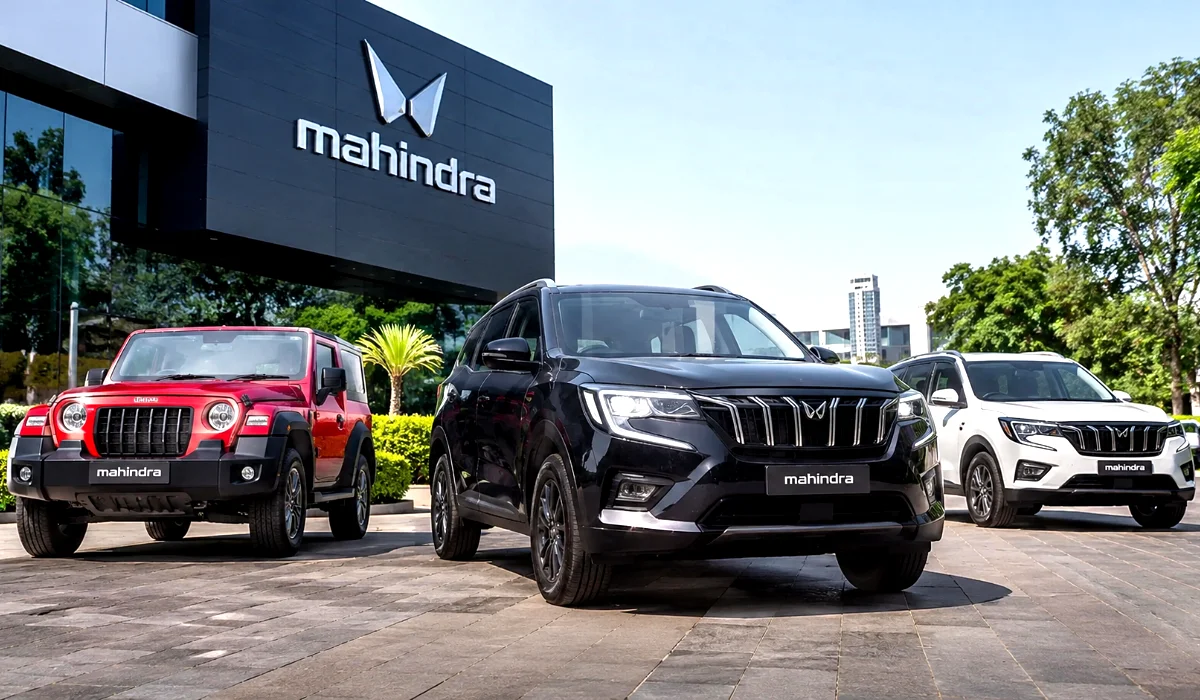
The Mahindra Q2 FY27 results, announced on Thursday, November 5, 2026, show SUVs doing the heavy lifting. Mahindra & Mahindra’s consolidated profit attributable to owners rose 25% year-on-year to ₹4,588 crore for the July-September quarter, up from ₹3,673 crore. Revenue from operations also grew 25%, to ₹57,553 crore from ₹46,106 crore. The automobile business was…